
In U.S courts, lyrics—like any written or spoken words—can be admitted as evidence if they are considered relevant under the rules of evidence (Federal Rule of Evidence 401) and not substantially outweighed by unfair prejudice (the risk that the evidence will cause the jury to decide based on emotions or bias rather than facts)(Federal Rule of Evidence 403). Courts weigh whether the probative value (its ability to prove something important) outweighs the risk that the jury will unfairly judge the defendant.
Prosecution vs. Defense
Prosecutors have tried to use rap and other musical lyrics in the past to :
- Show motive (e.g., lyrics describing revenge after a conflict).
- Establish intent or state of mind (e.g, violent lyrics to show predisposition towards violence).
- Support specific facts in the case (e.g., lyrics describing a crime that matches the crime charged).
Defense attorneys usually challenge admissibility by arguing :
- Artistic Expression and Free Speech : Lyrics are free, artistic, and expressive, not literal confessions. Using them risks violating the First Amendment (freedom of speech).
- Unfair Prejudice : Members of the jury may stereotype certain genres (especially rap) as violent, leading to bias.
- Lack of Nexus : Unless lyrics directly reference the crime in question, they should be excluded as irrelevant.
YNW Melly Case
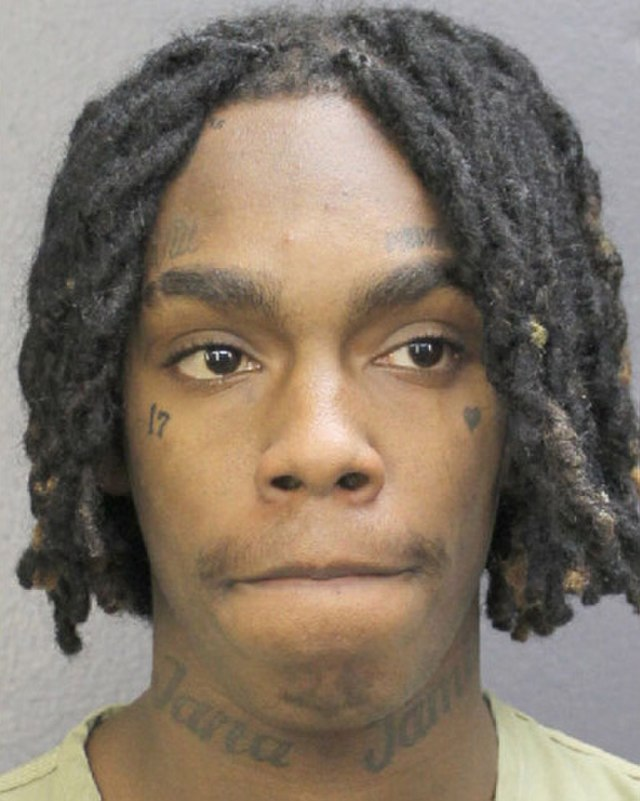
This is a very renown example of this topic. Rapper YNW Melly (Jamell Demons) faced charges for the alleged murder of two friends in 2018. Prosecutors highlighted lyrics from his hit song “Murder on My Mind”, which described shooting someone and watching them die. In the outcome of the case, the court allowed some lyrics to be discussed, but defense argued that they were written before the case and were artistic, not literal, and jurors risked interpreting them as confessions. The trial ended in a hung jury (jury couldn’t reach unanimous decision on a verdict) in July of 2023, with retrials scheduled.
Takeaways
In summary, courts can use an artist’s lyrics as evidence, but only if it ties directly to the crime in question and do not pose the risk that they will bias the jury. While prosecutors argue that lyrics can show motive or intent, defense attorneys stress that music is art—not a confession. With new laws like California’s Rap Law Lyrics Law (AB 2799) limiting how creative works can be used, the law is shifting toward protecting artists and their creative freedom.
Sources
- Bill AB 2799 —California Legislative Information (https://leginfo.legislature.ca.gov/faces/billNavClient.xhtml?bill_id=202120220AB2799)