
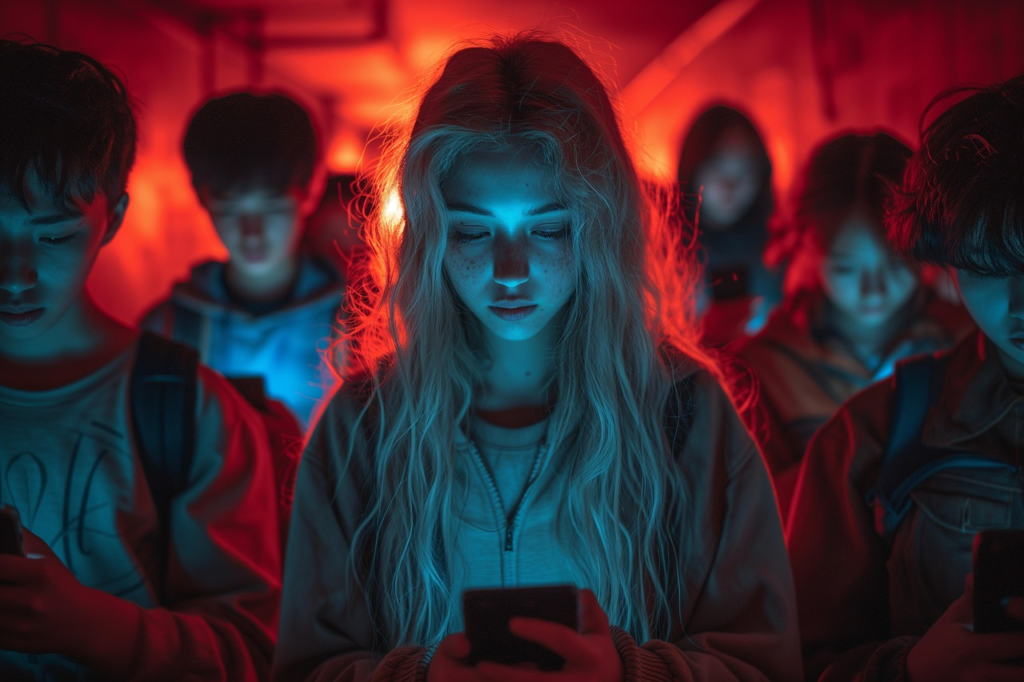
School districts across the nation—and in some cases local governments—are suing major social-media/technology companies
such as Meta Platforms (owner of Facebook/Instagram), Snap Inc. (Snapchat), and ByteDance Ltd. (Tiktok), for a number of
alleged harm tied to their platforms. So what is the reasoning behind these complaints, and what could this mean for the youth
going forward? Let’s dive into it.
What The Lawsuits Claim
- These platforms are designed to be addictive for youth. The use of strategic algorithms and consistent notifications that
lead to bad habits like “doom-scrolling”, which exploits teens’ vulnerabilities. - These platforms exhibit harmful content to the youth, which allegedly contributes to a youth-health mental crisis (increases
in anxiety, depression, eating disorders, etc). - These school allege negligence, claiming that these corporations knew or should have known of the these harms, but
continued business as usual.
Key Examples
On January 12th, 2025, Milwaukee Public Schools filed a lawsuit against social media companies, targeting Instagram, Youtube,
Tiktok, Snapchat, and Google. They alleged that these corporations “deliberately harm children’s mental health” by creating
addictive algorithms. Among Milwaukee Public Schools’ legal action, at least nine other districts across the country
have filed similar lawsuits. This represents a continuity of concern regarding the increasing use and reliance of technology.
In 2023, about 20 school districts in Utah sued against Meta and Tiktok, arguing that the burden of monitoring and discipline
due to platform-related issues is high. These districts plead that they “spent time and resources developing social media policies
for school-issued laptops”, like the blocking of social media sites on school-issued computers. This is a key case of how this concern
has continued to grow among the years as technology advanced.
Seattle Public Schools—one of the earlier examples of the growing concern of youth mental-health—sued Tiktok, Instagram, Youtube,
and Snapchat in early 2023, claiming that they had to “shoulder the burden of this growing mental health crisis, including hiring
additional personnel” to compensate for students who were harmed by these social media platforms.
Legal Hurdles
- Causation
- These schools must show that social media actually caused the the harm they’re complaining
about (mental-health crises, classroom disruption, higher counseling costs). This can be
legally challenging because there are numerous factors, like family and academics, that
contribute to mental health issues. There must be specific evidence that platform design
choices directly caused measure able harm.
- These schools must show that social media actually caused the the harm they’re complaining
- Platform Immunity (Section 230)
- Section 230 of the Communications Decency Act says that platforms generally aren’t liable
for user-generated content. These corporation can argue that if a student sees harmful content,
they aren’t responsible because a user posted it. - Schools reciprocate to this act by claiming the harm isn’t about content ; it’s about the addictive
algorithms and design.
- Section 230 of the Communications Decency Act says that platforms generally aren’t liable
- Damages
- Even if liability is proven, these school districts must quantify their financial losses, like additional
counseling staff, training programs, classroom disruptions, etc. - Courts may demand receipts and comparisons of pre-social media spending to post-social media
spending. - Companies may counter that these losses are part of normal school operations, not directly caused by them.
- Even if liability is proven, these school districts must quantify their financial losses, like additional
Why This Is Significant
School districts are using these lawsuits to seek reimbursement for the rising costs of mental health counseling, discipline, and
digital safety programs. Even if they don’t win, their legal action pressures tech companies and lawmakers to take youth mental health
seriously. Many schools are also tightening phone policies and adding digital literacy education to their curriculums. Ultimately, this
movement shows how schools’ take the role of protecting students in this new era of a digital world.
Students may experience stricter limits on phone use and more education on digital wellness and online behavior in schools.
The lawsuits have increased awareness about how social media algorithms can affect mental health and well-being to students,
parents, schools, and the tech companies responsible. If successful, these cases could lead to safer, less addictive online environments
for minors and set the stage for healthier relationships with technology.
Technology companies may be forced to redesign algorithms, limit addictive features, and increase awareness about how content
is promoted. Even before verdicts, public pressure is already driving changes to parental controls and screen-time tools. In the long run,
these lawsuits could redefine corporate responsibility for digital products aimed at youth.